Learning Trail Formats in European Theme Parks
Introduction
Educational walking trails are a structured feature at a number of European theme parks. They are designed to deliver informational content to visitors while they move through a defined area of the park. This article documents the main trail format types that appear in park communications and general facility documentation.
The term "learning trail" covers any designated park route that incorporates educational or interpretive content as a primary feature. This distinguishes it from general park paths, which may pass information boards incidentally.
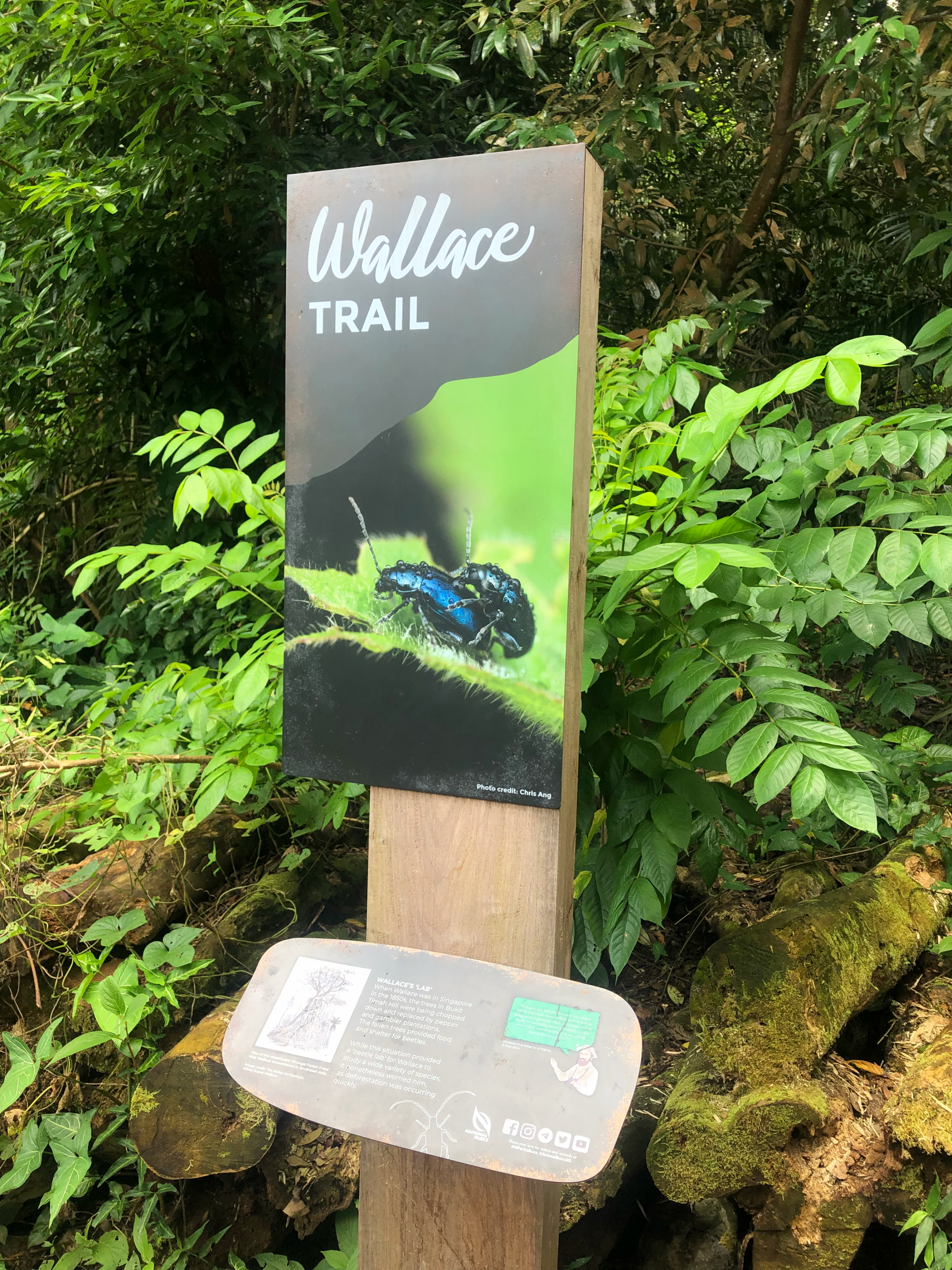
Station-Based Trail Format
The station-based format is the most consistently documented trail type in European park literature. The trail is divided into a defined sequence of stopping points, each marked with a number, symbol, or colour code. Each station presents a discrete unit of content on a specific subject.
Key structural features of station-based trails include:
- Sequentially numbered stopping points, usually 6–20 per trail
- Fixed information boards or physical elements at each station
- An introductory overview board at the trail start
- A printed trail map or numbered guide leaflet for visitors to carry
- Total trail length typically between 500 metres and 3 kilometres
Station spacing tends to reflect the content rhythm rather than equal physical intervals. Stations are placed at observation-relevant points: at a specimen, at a viewpoint, or at an engineered feature.
Linear and Loop Routes
Station-based trails use two primary route geometries:
Linear routes begin at one point and end at another. This format suits trails following a natural gradient (river valley, ridge line) or connecting two distinct park areas. A linear route requires visitors to retrace or use a secondary return path.
Loop routes return to the starting point, which is the more common format in leisure park settings where visitor flow management is a consideration. Loop trails can be entered and exited at a single control point, simplifying ticketing and crowd distribution.
Content Presentation Methods
At each trail station, content is presented through one or more of the following methods, as documented in available park materials:
- Interpretive panel: A printed or engraved board presenting text, illustrations, and diagrams. The most universal format across all park sizes.
- Physical specimen or object: A rock sample, plant specimen, or constructed replica placed at the station alongside descriptive labelling.
- Observation prompt: A marker directing attention to a nearby natural or built feature, with accompanying explanation.
- Activity prompt: A task instruction at the station encouraging visitor participation (e.g., count the number of species visible, sketch a leaf shape).
- Audio point: A numbered marker linked to a mobile audio guide or installed speaker that activates when visitors approach.

Age and Audience Differentiation
Some European parks differentiate trail content by target audience. Documented approaches include:
- Dual-level panels with simplified text for younger readers and extended notes for adults
- Separate trail leaflets produced for different school year groups
- Activity-focused versions of an existing trail produced for school visit programmes
Audience differentiation is more common at parks with established school visit programmes. Not all parks that offer trails provide differentiated materials.
Signage and Wayfinding
Trail wayfinding typically combines route markers (posts, painted stones, coloured lines on paths) with periodic directional boards. At larger parks, digital trail maps may supplement or replace printed equivalents.
Station boards are generally weather-resistant, using either aluminium face plates with UV-stable printing or engraved composite panels. Post-mounted station boards are the most prevalent format in outdoor settings.
Summary Notes
This article documents trail formats as described in publicly available park communications and general facility documentation. Specific park installations are not assessed or ranked. Visitor-specific details (schedules, costs, booking) are outside the scope of this reference and subject to change.